199 Days With A Legend
10,000 kilometres of learning, panic, and unexpected calm
Written & Photographed by : The Medic
The first time it came to life in front of me, the sensation was overwhelming enough that I genuinely wondered if I would make it home. Not from speed. Just from the sheer, slightly unreasonable reality of what I had done.
It has been a little over six months and a little under 10,000 kilometres since I got myself the motorcycle that started this whole obsession in the first place when I was a kid. And this was no ordinary legend. This was a living, breathing legend that broke physics, brute-forced its way into us humans signing the gentlemen’s agreement lest the pesky lawmakers rain on our speed parade, and produced an engine configuration so demonically good that someone eventually decided the only logical next step was to fuse two of them together with Garett turbochargers onboard, stuff them into a two-wheeled aerodynamic contraption, and send it off to hold the outright land speed record for anything running on just two wheels. It still does, by the way. Nobody has had the nerve since 2010. Just search for top 1 Ack attack streramliner.
So… What do you do when you are finally old enough to legally ride one, your bank balance has stopped actively laughing at you, and your home minister, the far superior and considerably more competent one, my wife, unlike the one currently confusing the nation’s chronology, gives you a borderline begrudging, minor-wince-accompanied suggestion that you could, theoretically, actually own one?
You panic quietly and buy it anyway.
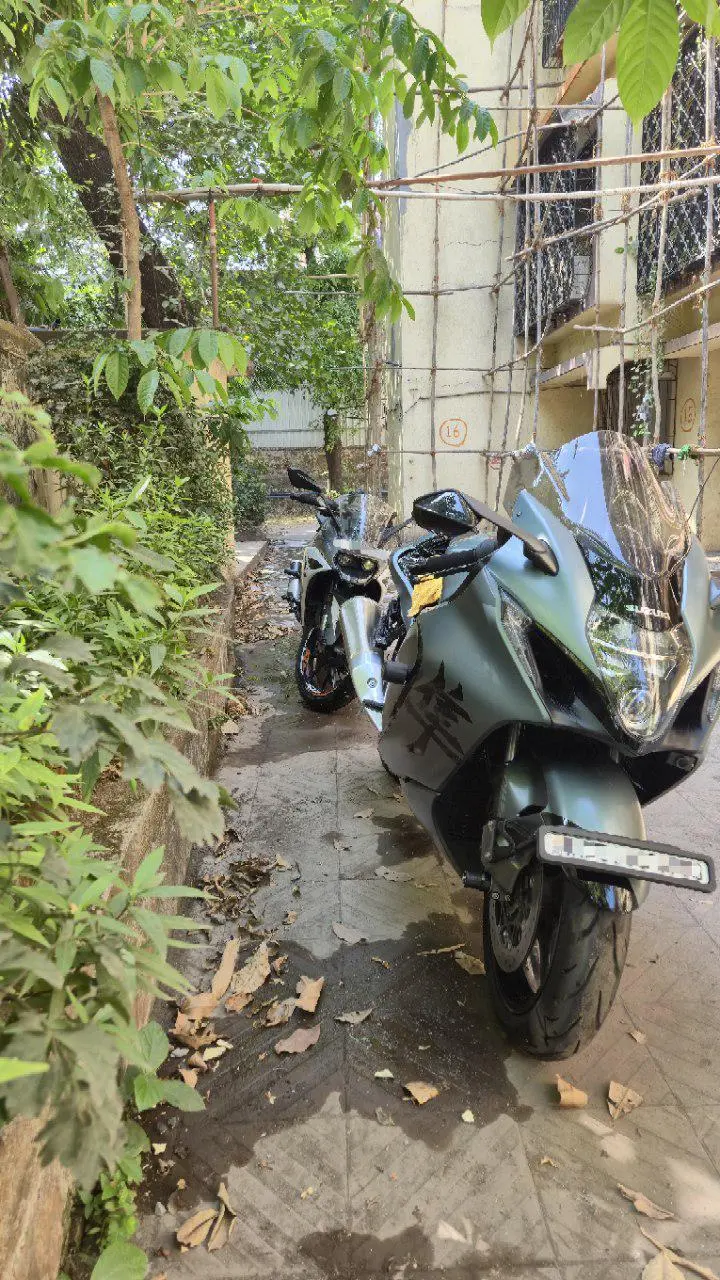
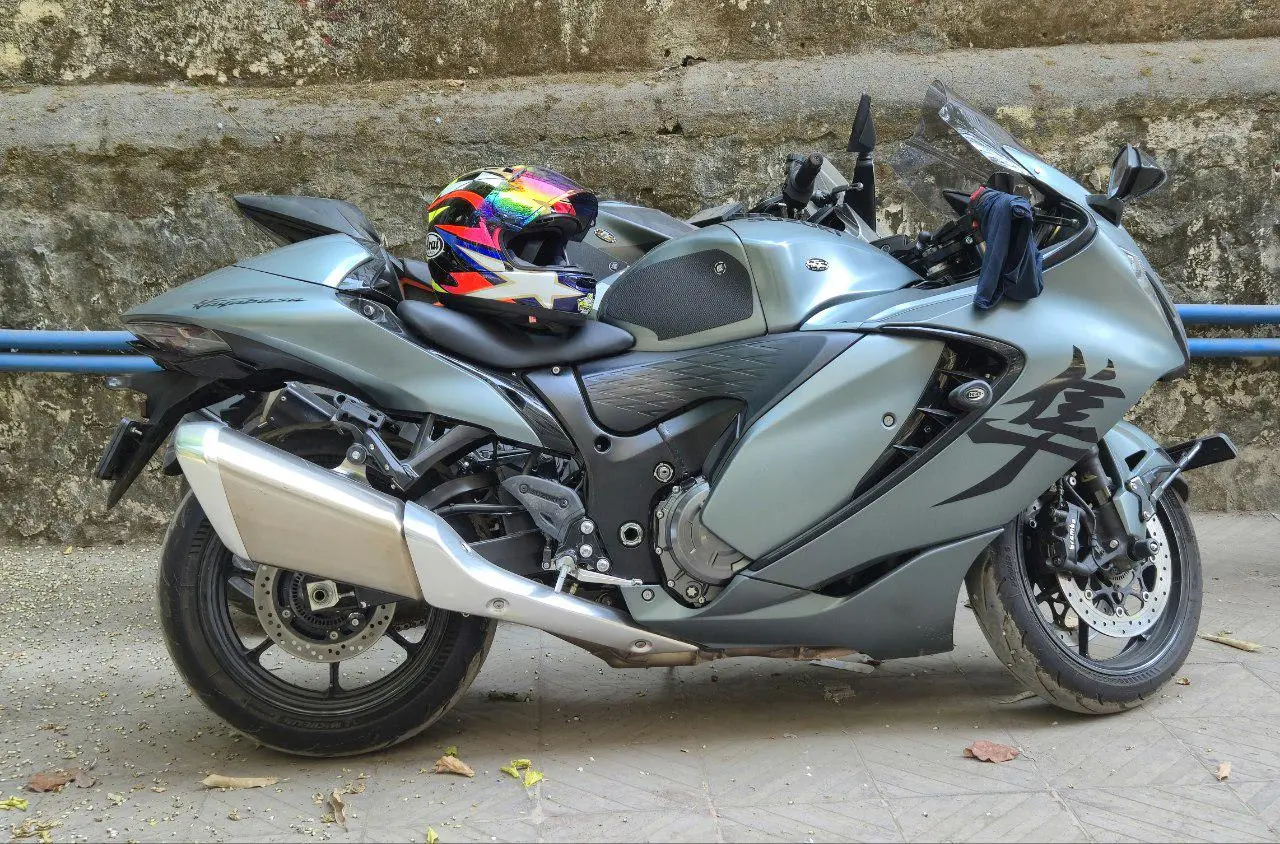
How does one fathom getting the keys to a small nuclear reactor disguised as an inline four, making torque from lower RPMs than most flagship adventure bikes, with enough horsepower to keep litre-class superbikes politely honest? Especially in India. Especially in Mumbai, where people were already mildly baffled that a functioning adult was daily-riding a KTM RC390 without any visible signs of dissatisfaction or pain.
How do you convince the logical part of your brain that you can manage 266 kilograms, 180 horses at the rear wheel (running on Speed 100 fuel and engine oil with all nannies off that Suzuki’s official documentation would rather pretend doesn’t exist?)
Honestly, you can’t. You just go anyway and hope the logical part of your brain is a slow runner. Mine is crippled and it reflects in my garage.
I should be upfront that I am not remotely qualified to review the GSX1300RR. My skill set is limited enough that this is less a review and more a nervous field report from a mortal who somehow bluffed his way into a restricted ungodly force. All I can tell you is what it feels like to have lived with this machine for 199 days.
The first time it came to life in front of me, the sensation was overwhelming enough that I genuinely wondered if I’d make it home. Not from speed. Just from the sheer, slightly unreasonable reality of what I’d done. And Suzuki India is so confident of the legend that they do not even offer a demo motorcycle for you to see, let alone test ride one.
Maybe I should have gotten the S1000RR. Light, flickable, the crowd favourite, beloved by people and something I have ridden before a lot. Or the Street Triple 765 RS, which is apparently so forgiving that you can leave the showroom on a hope and a prayer and arrive home having learned nothing difficult whatsoever. More than twice as powerful as the d390(yes I had that one too) but without any extra effort.
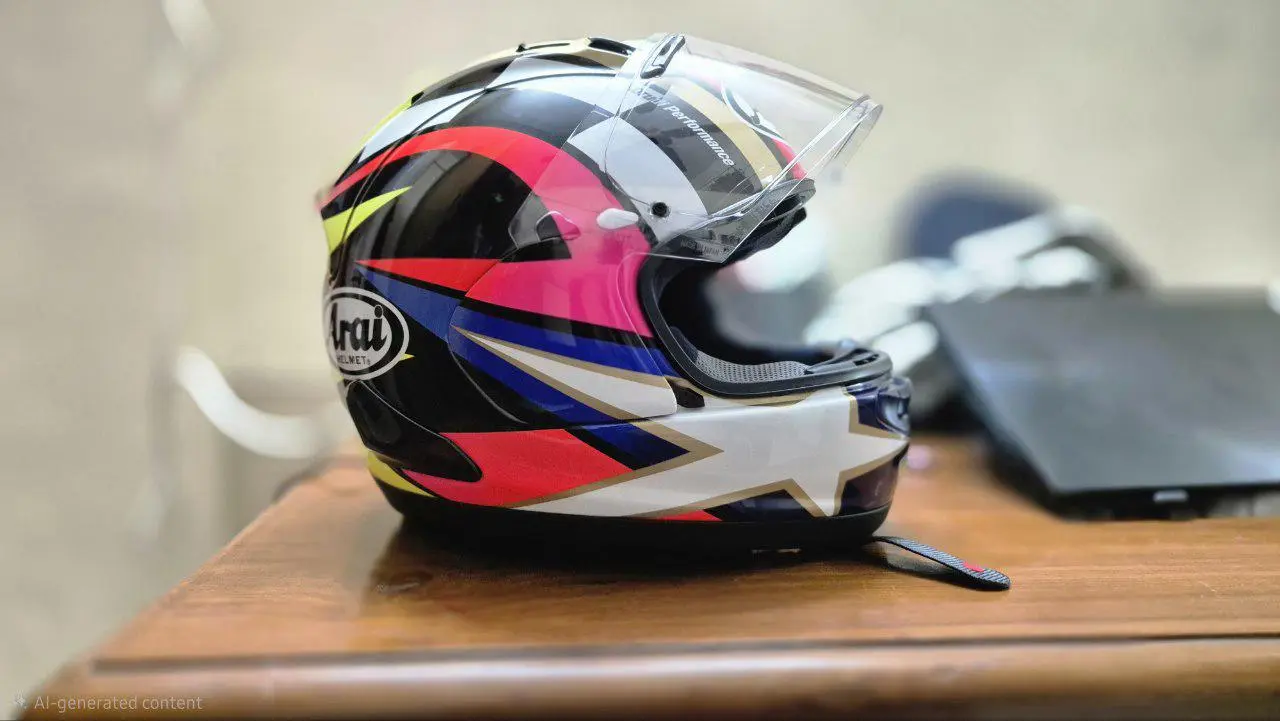
Turns out though, if you keep your head firmly on your shoulders and a good helmet on your head, you can manage the Hayabusa just fine.
Suzuki, in what can only be described as a moment of corporate generosity bordering on guilt, gave the Hayabusa a better electronics package than they offered on their own flagship GSXR in 2021, their first IMU based package ever. Ten levels of traction control ensures you can ride this thing in pouring rain with mud on the road. I have done this. It was not planned. The Hayabusa was completely unbothered. I was slightly less so. Jeremy Clarkson’s words of wisdom “a lot of poo have shot out of my Ani” came to mind. But I was perfectly safe and somewhat in good control.
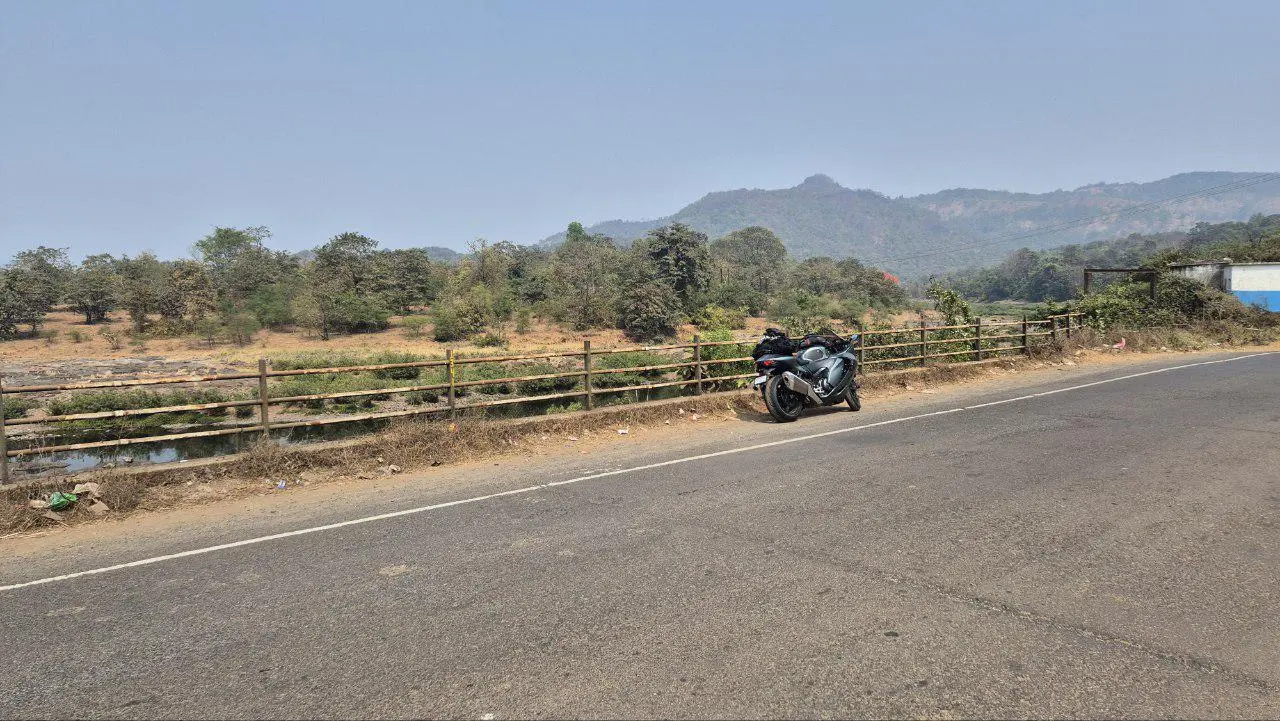
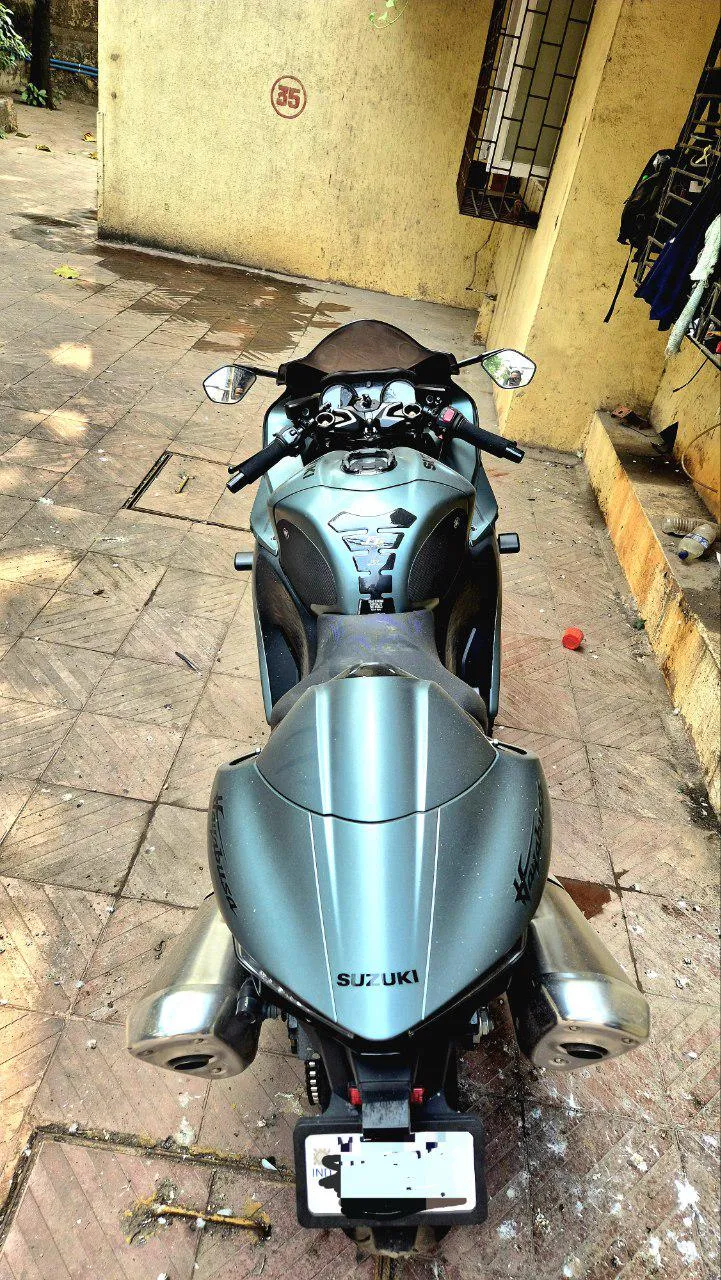
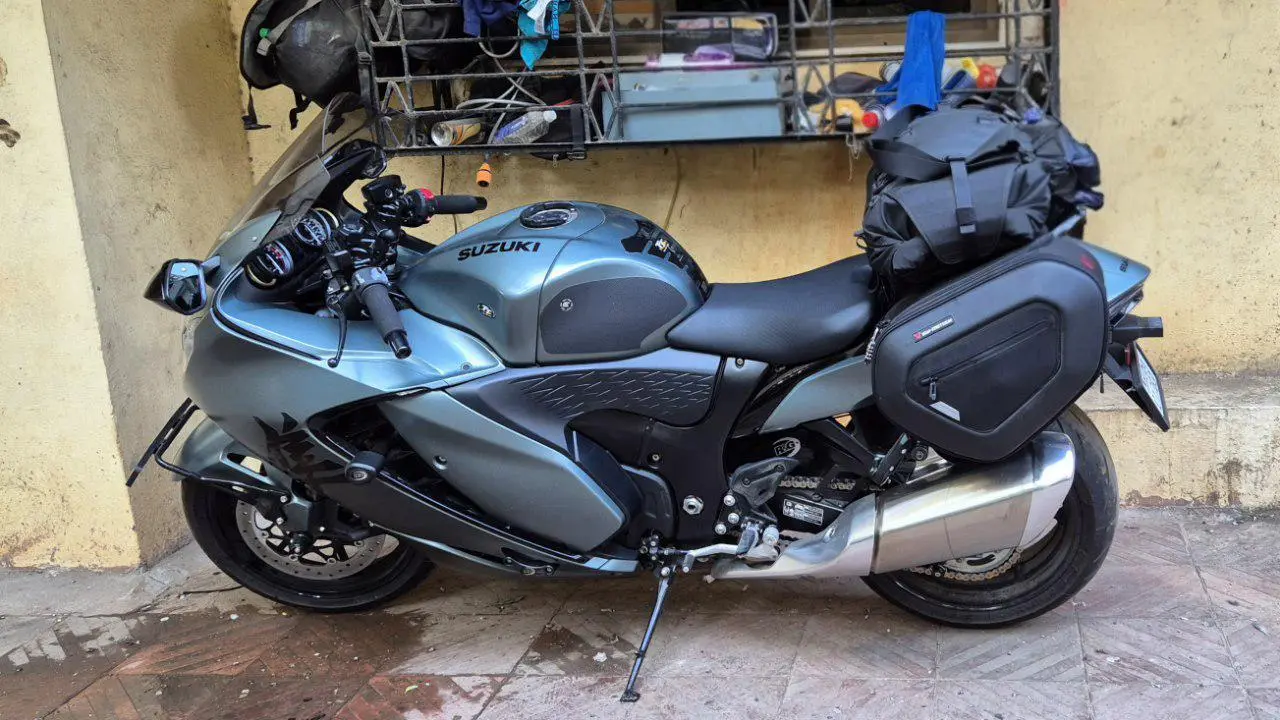
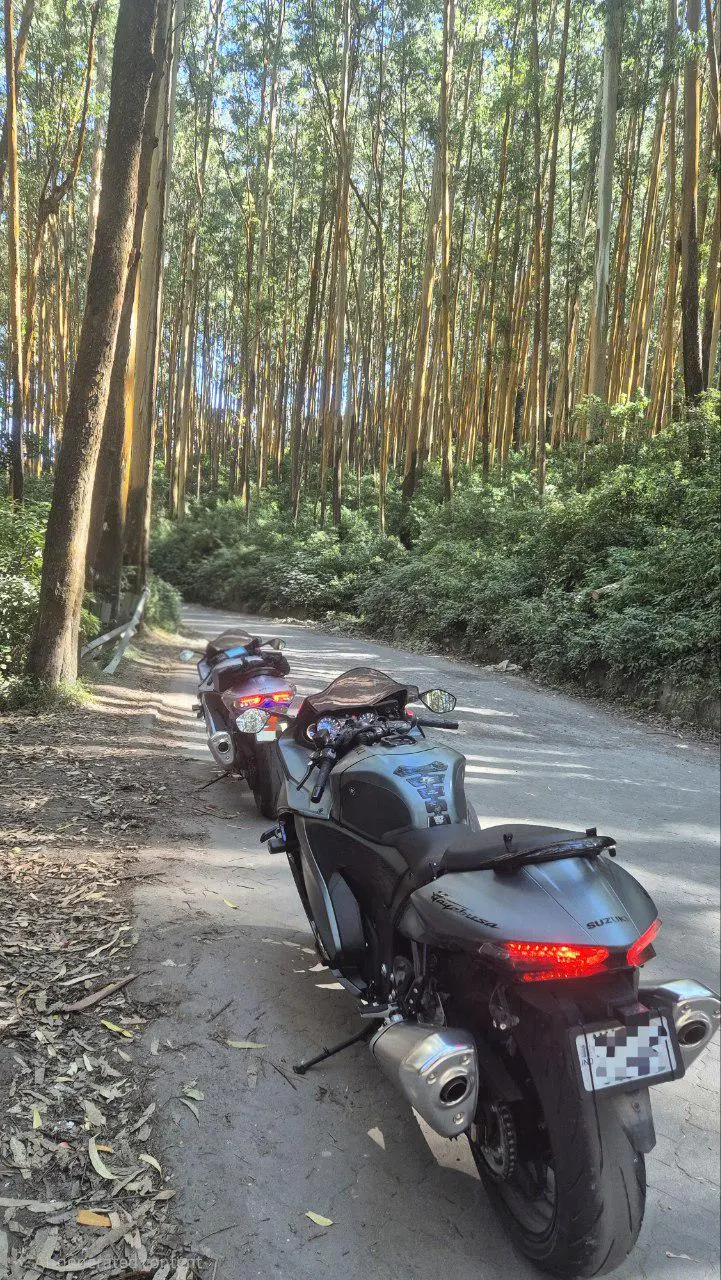
The brakes are gorgeous. Fantastic feedback. The engine is essentially what gave rise to the word tractable. The Jekyll and Hyde nature of it is genuinely fascinating. Switch to C mode and it is no more difficult to manage than the RC390, just considerably more refined.
It is big. It is wide. You will feel inadequate when you try and hustle it in the parking lot when the engine is not running. And yet, in a twist that will amuse anyone who has ridden both, it is not actually wider than a Royal Enfield Himalayan 450 and easier to manage on the move (yes I owned that one too). In Mumbai traffic it fits into 99.9% of the same slots every other bike takes. You just need to be extremely aware of the fairings in your acclimatising days. The more pressing issue is that people simply do not expect a monstrous exhaust pipe lurking on the left side. They cut across, make contact, look briefly confused, and ride away. There will be small scratches. Battle scars, really. The bike doesn’t care, the performance is entirely unaffected, and after the third time you stop caring too. You just add it to the character of a bike that runs almost daily in Mumbai.
As traffic opens up you switch to B mode and begin receiving your first proper introduction to what this engine actually does. There is a small snatch on opening, nothing that unsettles the balance, just a polite but firm reminder that power is now available in quantities that reward attention and punish carelessness. The bike is agile for its weight in a way that genuinely shouldn’t work. It is not flickable like an S1000RR, nowhere remotely close, but it is easy in a way you don’t expect. You don’t have to muscle it anywhere near as much as the numbers suggest you should.
The best analogy I can think of: imagine the difference between a world-class ballet dancer doing ballet, and a very large strongman who has genuinely, properly learned to do ballet and is surprisingly good at it. One is effortless by nature; you expect her to be one with the music and flow gracefully like an angel. The other is effortless though through sheer, slightly improbable but definitely absolute engineered competence. For the former, you feel at awe for how something born of a single mind can achieve something other worldly and ethereally beautiful. For the latter, your jaws drop to the floor and you say, “How the f**k did you do that??”
The one place the weight does make itself known is hard on the brakes. The Stylema calipers are excellent, the stopping distances are genuinely impressive, but the brakes will let you know, clearly and without drama, that they are working considerably harder than they would like. Fade arrives a touch earlier than on other litre class bikes, which is entirely Suzuki’s fault for insisting, in this day and age, that steel braided lines are unnecessary on this motorcycle. My RC390 had steel braided lines from the factory. A bike that costs a fraction of this and makes roughly a fifth of the power. Braided lines are first on the modification list, along with high-performance brake fluid.
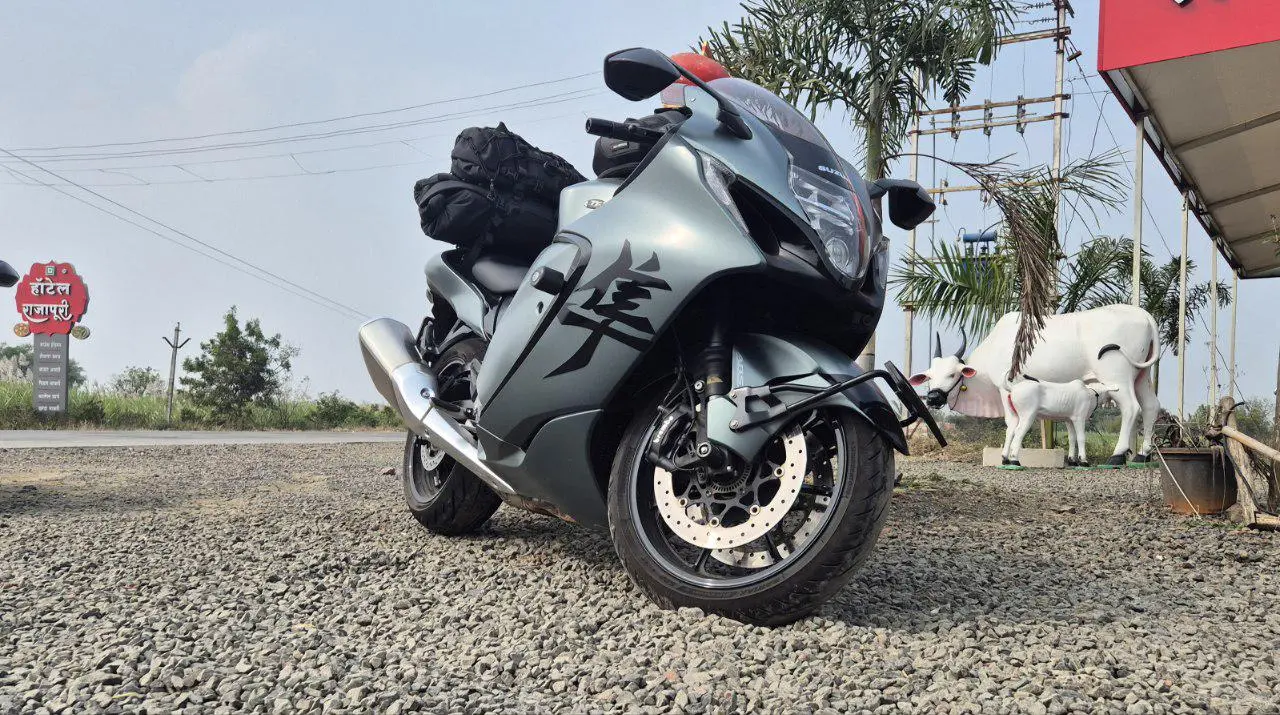
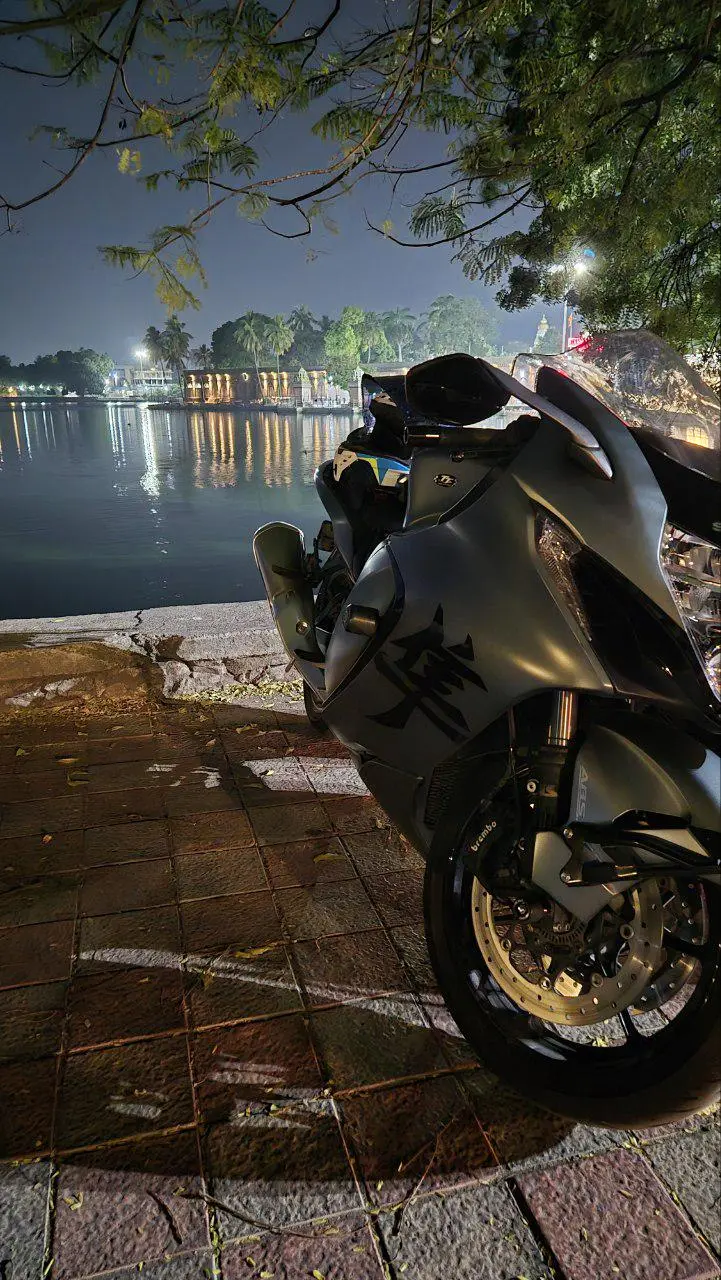
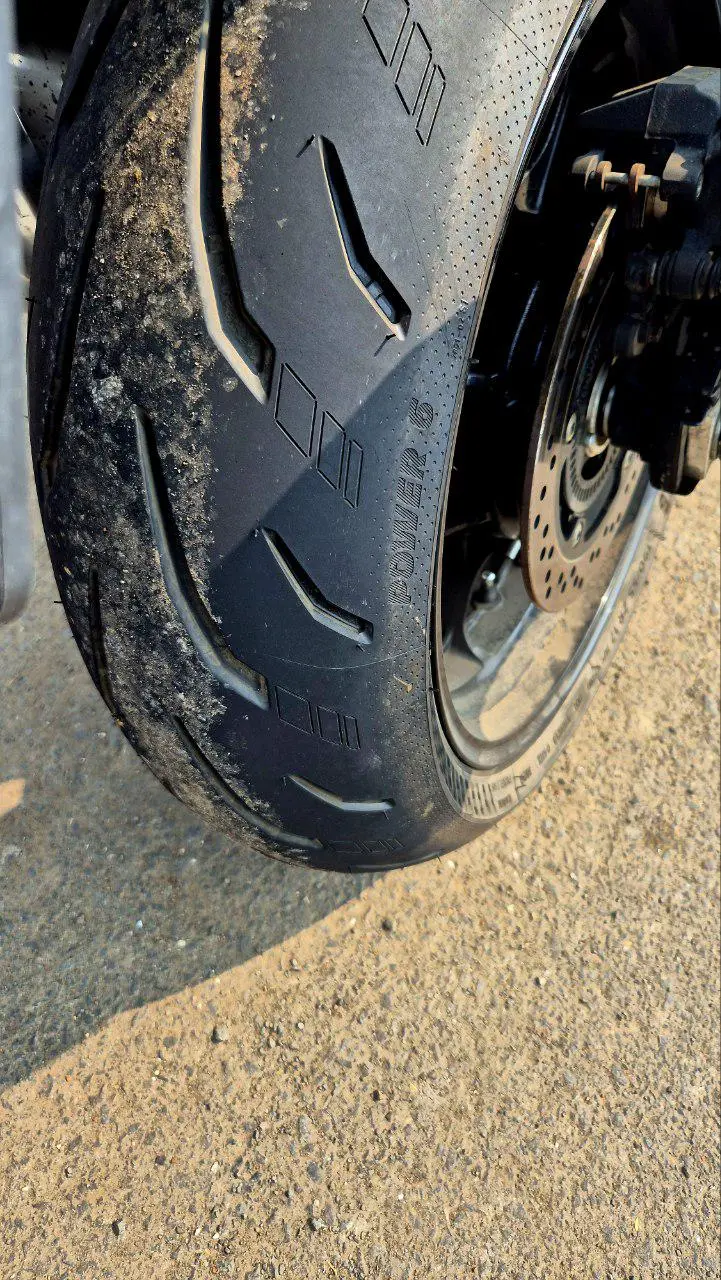
The stock tyres are genuinely good for the forces involved. One might think 180 horsepower is 180 horsepower and similar bikes exist with more power. True. But this one carries about 28% more weight than a standard litre-class motorcycle, and produces 50% more peak torque, a significant chunk of which arrives at RPMs low enough to catch the inattentive completely off guard. The rear tyre is consequently a consumable of some note. Six thousand kilometres is optimistic. I went through a set in four months. A good set runs around Rs 48,000 to 50,000, making it the second largest recurring cost after insurance, and well ahead of most things you’d rather be spending money on.
Services are not ruinously expensive. Around Rs 8,500 to 9,000 for a basic service. That comes in at 6 months / 6000kms for some parts of the world including India (for others it is 1-year 12000km or so). The major service hasn’t arrived yet where the valves et al will be checked but given the engine’s reputation for outlasting most things around it, the wallet isn’t suffering too badly there. Have also found a way to run better engine oil without voiding the warranty. The stock Motul 300V official recommendation isn’t bad. Perfectly adequate. But it can be improved upon, and an engine this good deserves to be taken seriously and offered the best of the nectar I can.
What truly puts this machine in a class of its own is its extraordinary long-distance ability. And yes, the Kawasaki H2 SX exists. It is a good motorcycle. It is also considerably more expensive for performance the Hayabusa delivers without the premium. Eight hundred kilometre days on the Busa are easy. Six hundred kilometre days over NH66, which has now deteriorated to a state that could trigger trypophobia in anyone unfortunate enough to look at it from above and the Hayabusa comes through all of it completely unfazed. Another litre-class machine would likely return with a bent rim and a weeping fork seal with a completely broken rider astride it. This one just shrugs and checks its mirrors asking if you are fine and shall we continue.
The suspension is the quiet hero of the whole package. Sharp on twisties, supple on broken surfaces, fully adjustable without needing an engineering degree to figure out your own preferences. You do need tools, which Suzuki, in a very sensible Japanese way, have tucked under the rear seat alongside a genuinely cavernous storage space inside the rear humped cowl. Remove the pillion seat, gain a single seater that looks considerably more purposeful and carries your small things without complaint.
The headlights are more than adequate. The projector is the most sharply focused I have seen on a production motorcycle. Is it purpose-built for night touring through extremely unknown unpredictable terrain? No. Is it enough to safely guide you home at night if you are sensible? Definitely.
It has, charmingly, one of the last full analogue instrument clusters on any modern non-bagger motorcycle. Analogue speedo, fuel gauge, temperature gauge, and most importantly a tachometer. A dial that actually sweeps. Old school in the best possible way. With a small TFT to tell me other mundane stuff.
It needs very little modification out of the box to work as a tourer, a canyon carver, or a Sunday morning machine, which is just as well because if we’re being honest, nine out of ten Hayabusas in Mumbai are spending their lives doing the city-to-one-specific-highway-destination-and-back loop. Ahura. Lonavala. Otherwise mostly gym runs in South Mumbai and Bandra. The Hayabusa is slightly overqualified for this role but performs it without complaint.
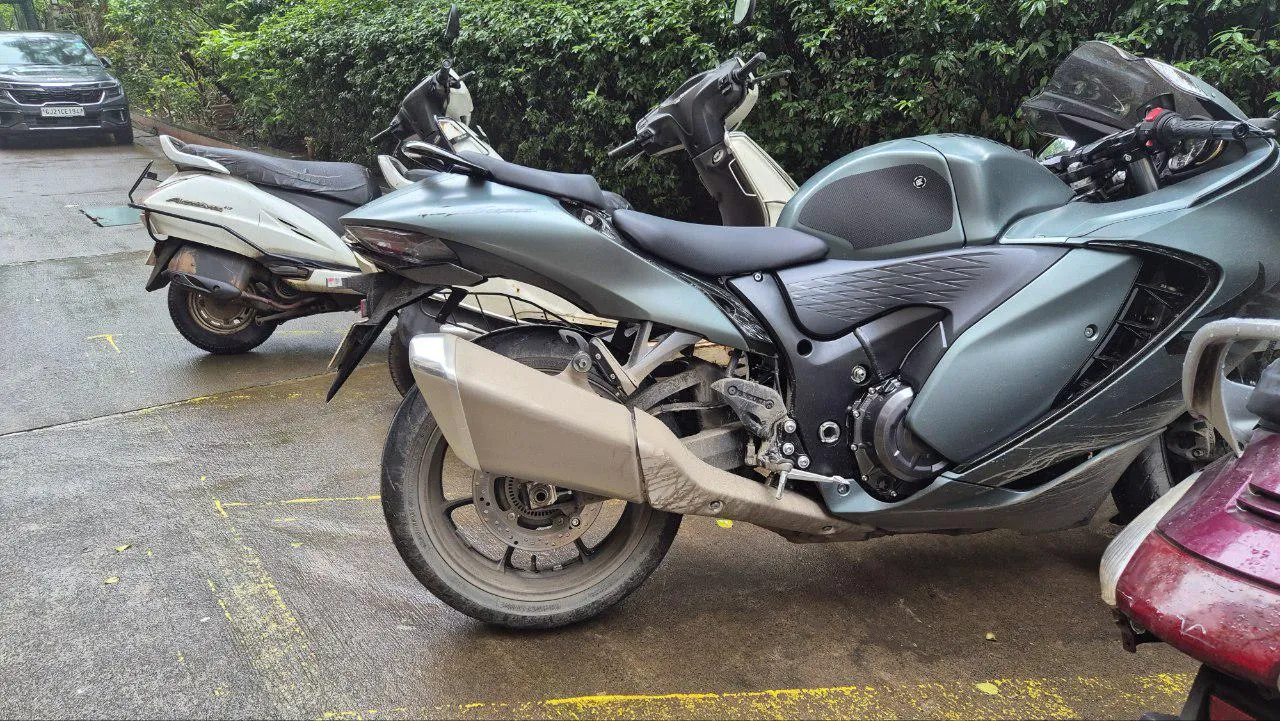
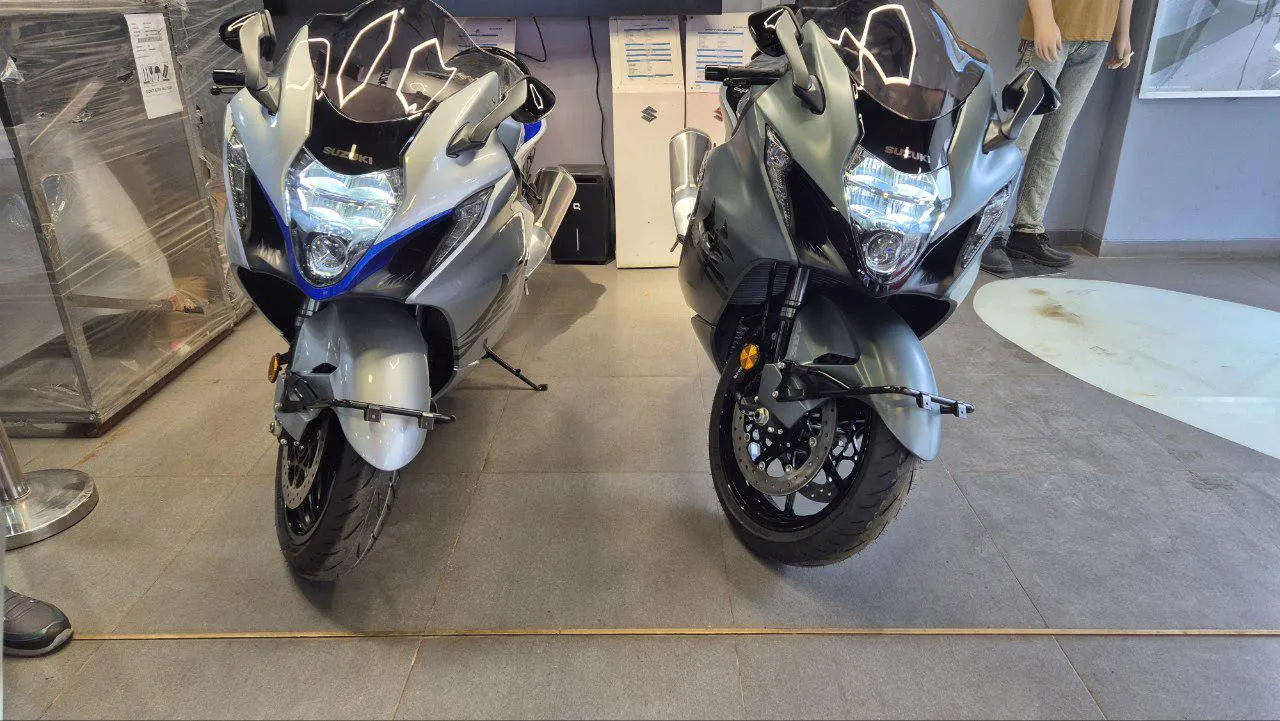
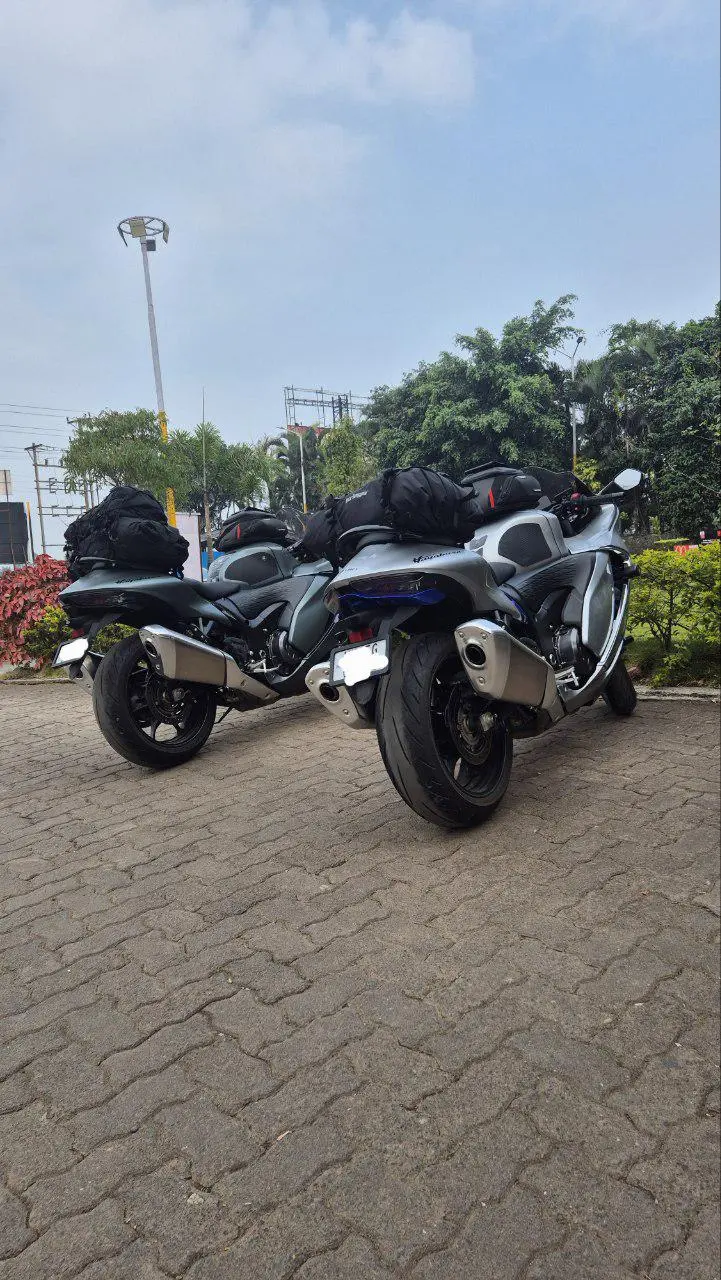
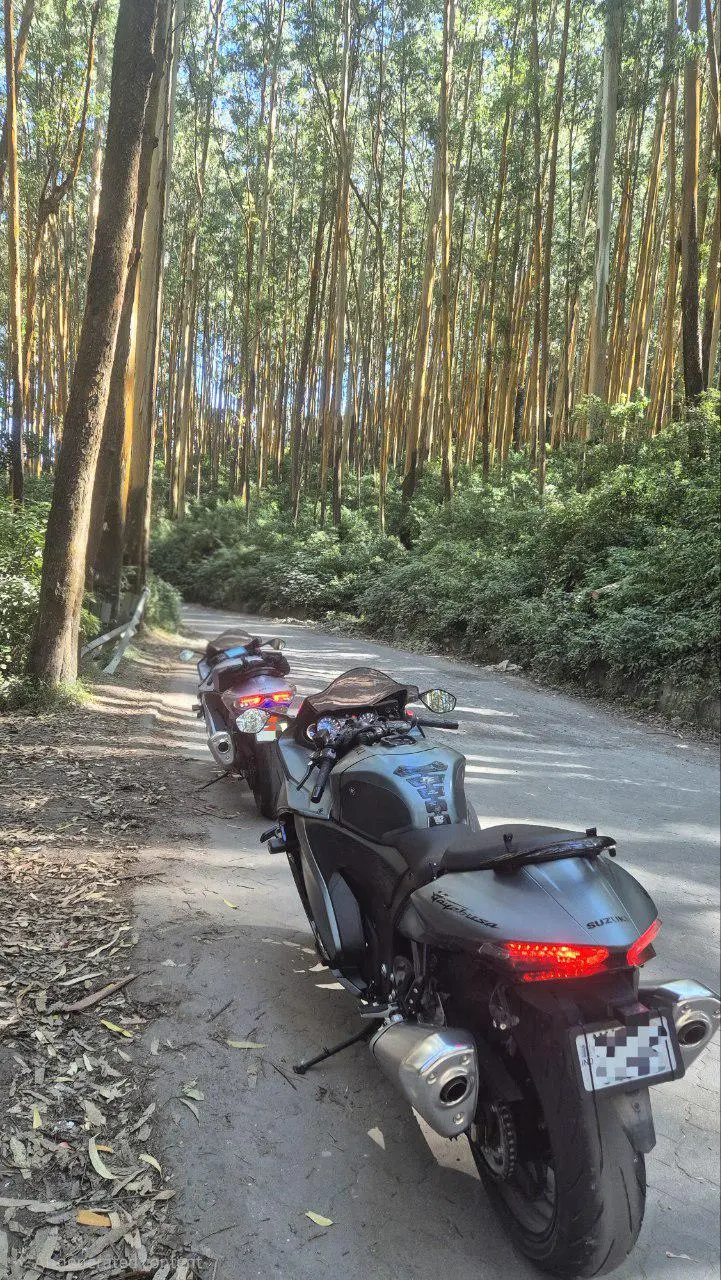
For those few who want to take it further, it will take you across state lines at speeds you didn’t think were sustainable over hours, let alone days. My South India tour on it was just brilliant. My brother on his Hayabusa, me on mine, both of us entirely aware that we were riding something that had absolutely no business being this good at this many different things at once. 3800 km over 6 riding days and it sipped all kinds of fuel and gave good, relentless performance in return.
I have an itch to take it to the track now. Have started the long, difficult, humbling process of getting properly fit for it. For the bike, new Supercorsas and a set of GPFax brake pads, and I suspect it will make very clear very quickly that the limiting factor was never the motorcycle.
It rarely is.