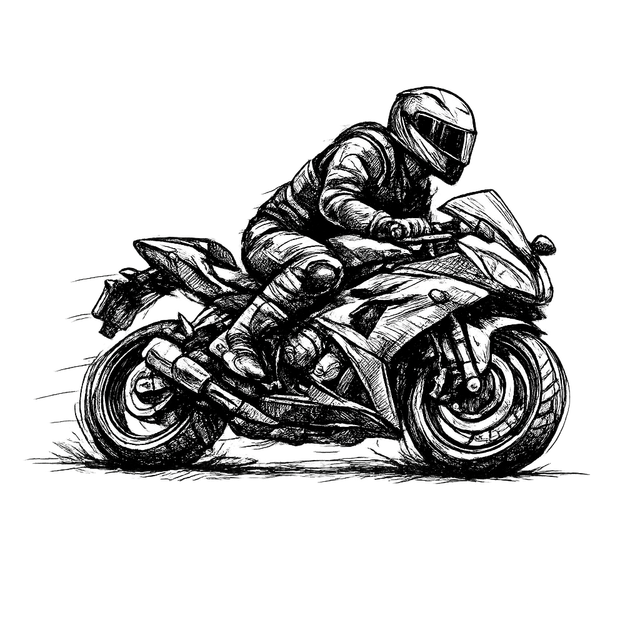
Despite Everything
Motorcycling as the strange rebellion against human instincts and our natural tendency to remember the worst.
Written & Photographed by : Shashwat Srijan
In the modern world, we often disguise this pessimism as realism. And often enough, we become so accustomed to anticipating disappointment that we begin treating joy as something temporary and suspicious.
I have often wondered why the unpleasant memories in my life seem to have a much longer shelf life than the good ones. There are things that happened years ago which still find their way into my thoughts far more often than I would like and leave me with a lingering sense of disappointment. Sometimes it’s something unkind I said to someone and other times, it’s a decision I wish I had made differently. These memories have no particular reason to resurface and yet they do. And I feel the same sense of bitterness I felt when they first happened. I can go months without thinking about an incident, only for it to resurface unexpectedly.
Yet, when I think about the people who have been kind to me, I find myself having to search a little harder and a little longer before I can recall those moments. It’s not that I haven’t experienced kindness, quite the opposite, actually. I’ve been fortunate enough to meet complete strangers who have gone out of their way to help me. They had absolutely nothing to gain from helping me and I would probably never meet them again, yet they went out of their way to do so.
I remember strangers who helped me reach an airport on time when things weren’t going according to plan. I remember being lost on my bike among the sprawling Aravalli hills in Rajasthan and finding help from someone who had no obligation to offer it. I remember nearly everyone, quite distinctly I might add, who simply took a few minutes out of their day to make mine better. But the fact that people who made my life difficult occupy my thoughts far more easily than those who made it better bothers me quite a bit. I find it rather unfortunate actually, because whenever I make the effort to look back, I realise that I have encountered significantly more kindness than my everyday thoughts would have me believe.
These weren’t even acts of extraordinary kindness and generosity. Most of the time, these people probably went home that evening and never even gave me second thought. Yet, when I think back about those moments, I see that the world has often been kinder to me than I give it credit for. The problem is that I don’t remember these heartfelt moments of support nearly as often as I should.
A bad experience, on the other hand, just pops into my head without any notice. I suppose there is a perfectly reasonable explanation for this. Our minds are rather good at remembering things that threaten us. Psychologists call it Negativity bias. It is the tendency to pay greater attention to unpleasant or threatening experiences than to positive ones. From an evolutionary perspective, it makes sense. Remembering where you found food was useful, but remembering where you nearly became someone else’s food was definitely more important. In Darwinian terms, those who recognised danger and learned to avoid it had a much better chance of surviving.
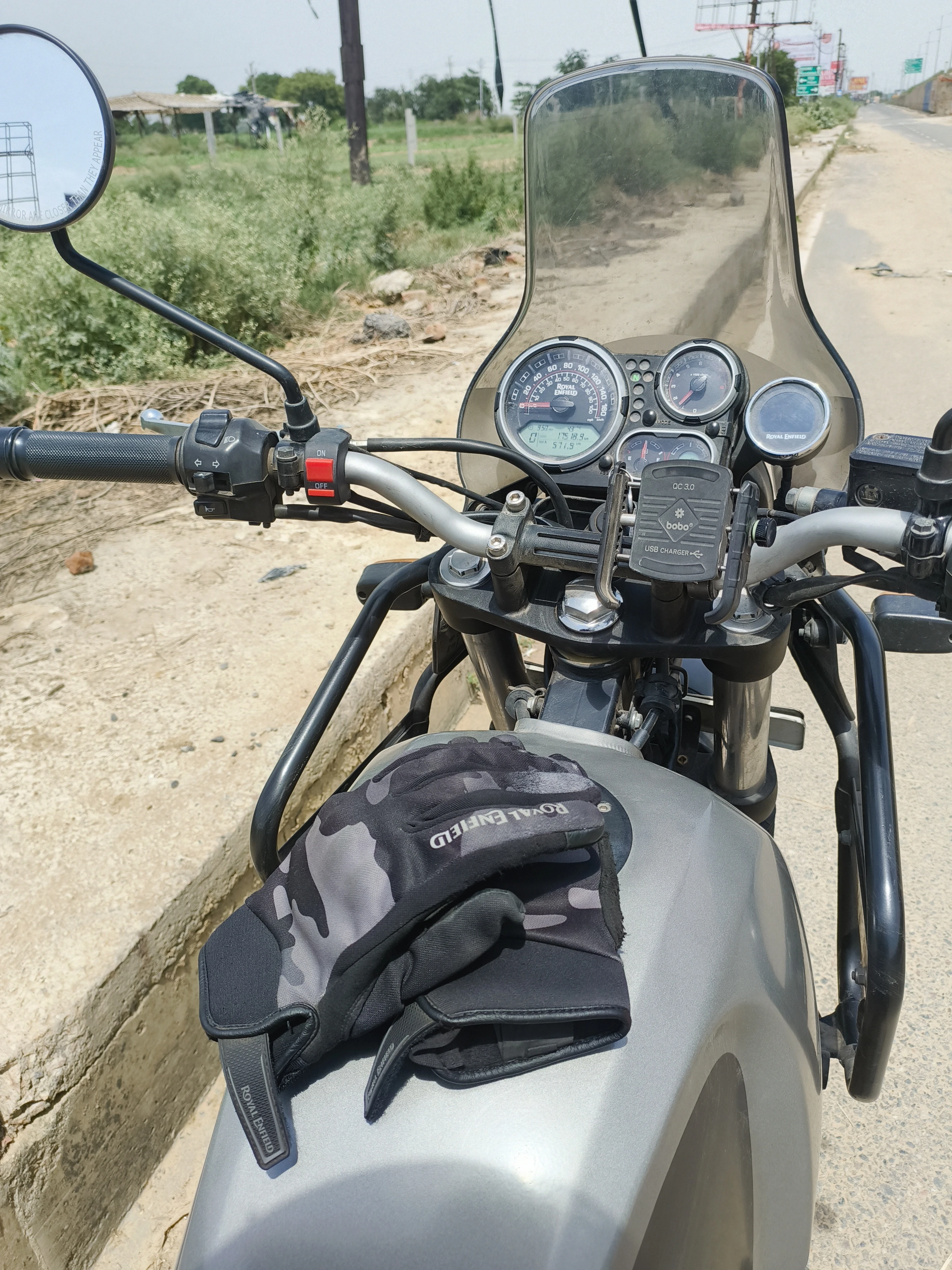
We no longer spend our days running away from predators, but evolution that took several million of years doesn’t just vanish into thin air either. Instead our threat perception has evolved even further and has become even more nuanced. An embarrassing conversation becomes something we replay for weeks in our heads. A financial setback makes us suspicious of the next opportunity. Even when something good happens, we end up with the thought of how it might all go wrong.
In the modern world, we often disguise this pessimism as realism. And often enough, we become so accustomed to anticipating disappointment that we begin treating joy as something temporary and suspicious. It is an exhausting way to live. The very brain of ours which is trying to protect us from suffering, actually starts making it difficult for us to enjoy the things that are going right.
Social media has made this peculiar habit of ours even more difficult to escape. Every morning, we open our phones and step into a world where everyone seems to be doing extraordinarily well. Someone is travelling through Europe or bought a new motorcycle or finally achieved something they have been dreaming about for years. There are photographs of beautiful places and smiling faces, with expensive dinners and mountain sunsets filling our feeds. When I return from a ride, I too share beautiful photographs of the roads and the sunrise, perhaps even a cute little picture of myself standing proudly beside my motorcycle. I don’t, however, post about the hours of exhaustion or the moments when I wondered whether the entire trip was a terrible idea. These aren’t the moments I want to celebrate, so I actively ignore them. And just like me, so many others do the same.
But therein lies the problem. I know every unpleasant detail of my own life but I get to see only a carefully curated version of everybody else’s. Despite whatever anyone’s socials say about their life, everyone has problems and setbacks. It just seems quite obtuse to share them on our social media, so nobody does. The problem with this gap between what we see and what actually happens is that I remember my own failures clearly, but end up comparing them against photographs of other people’s successes. Our difficulties are constantly contrasted with the bulbous joy of others on social media. And the saddest part about all of this is that the world itself doesn’t really become bleak, its only our perception of it that just gets darker and darker. We simply become more and more adept at noticing everything that hurts us (emotionally) and ignore everything else.
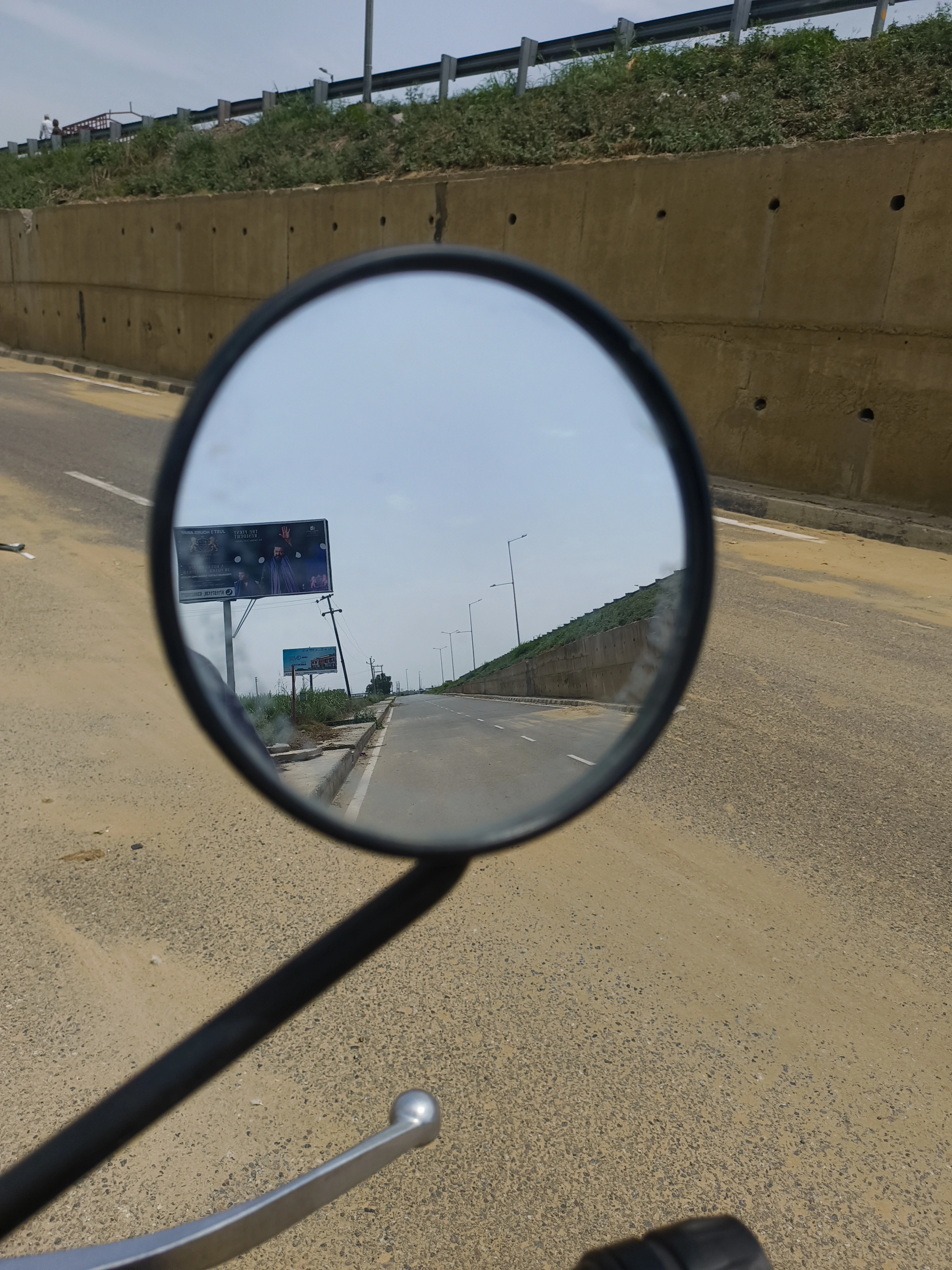
I believe that my above thesis is a common enough generalisation that people more or less know it to be universally true. But therein lies the contradiction that brings me to motorcycles. Motorcycles are inherently dangerous. I don’t think I have ever met a motorcyclist whose parents were entirely enthusiastic about the idea of their child riding one. Some parents are more accepting of it than others, of course, but the general consensus of parents cautioning us before every ride remains true. For most motorcycle enthusiasts, the four-word sentence they’ve probably heard more than anything else is, “Just take the car.” For every cell in our being, this sentence is exactly what all of us are rebelling against by taking out the bike and accepting the risks which comes with it.
To us these warnings feel unnecessarily restrictive. We want to explore and experience the world on our own terms. And we ignore the rather inconvenient truth that all those warnings aren’t without reason. Motorcycling is as dangerous as it can be. The infamous Indian Roads make it all the more risky. An inattentive driver veering onto the wrong side of the road or a pothole suddenly appearing on an otherwise perfectly good stretch of tarmac is hardly unusual on Indian roads. The innovative techniques used by impatient drivers to overtake motorcyclists is anything but safe.
But unlike a car, a motorcyclist has relatively little separating their body from the consequences of somebody else’s mistake. I have seen enough accidents over the years to understand that these warnings aren’t simply the products of an overprotective imagination. I have seen people lose limbs after crashing without adequate protective gear. I remember watching a professional racer lose control of his motorcycle and crash back-first into the tarmac. It took him nearly two years to return to riding. He was someone who understood motorcycles far better than most of us. He was specifically trained to manage speed and balance, yet even he wasn’t immune.
I have had my own close calls as well. In most of those cases, something happens so quickly that there is barely enough time to react. In those moments, I usually continue riding because there is little else to do. It’s only later that I realise how differently things could have ended. Most of the time, I have been fortunate enough to come out from these situation unscathed. But if one rides often enough, it becomes quite clear that fortune itself is a very unreliable travelling companion. Sooner or later, fortune might decide to take a snack break, and we could be the ones skidding down a busy stretch of the Delhi–Jaipur highway.
Every time I go through one of these experiences, my behavior changes ever so slightly. Every single close call becomes another warning in my own head, and over time, these warnings have accumulated into a constant warning telling me constantly that it’s risky. I suppose that’s just my brain’s survival instinct kicking in again. The instinct for survival makes me a little more cautious during my rides. But unlike our ancestors, who might have avoided a cave or a watering hole because a dangerous animal could be lurking nearby, motorcycles do not make me not want to take the risk. Despite the warning sirens going off in my head every time I go out for ride, a little part of me is just fascinated by it all. Maybe that’s what the romantics mean when they say, “listen to the heart, not your head”.
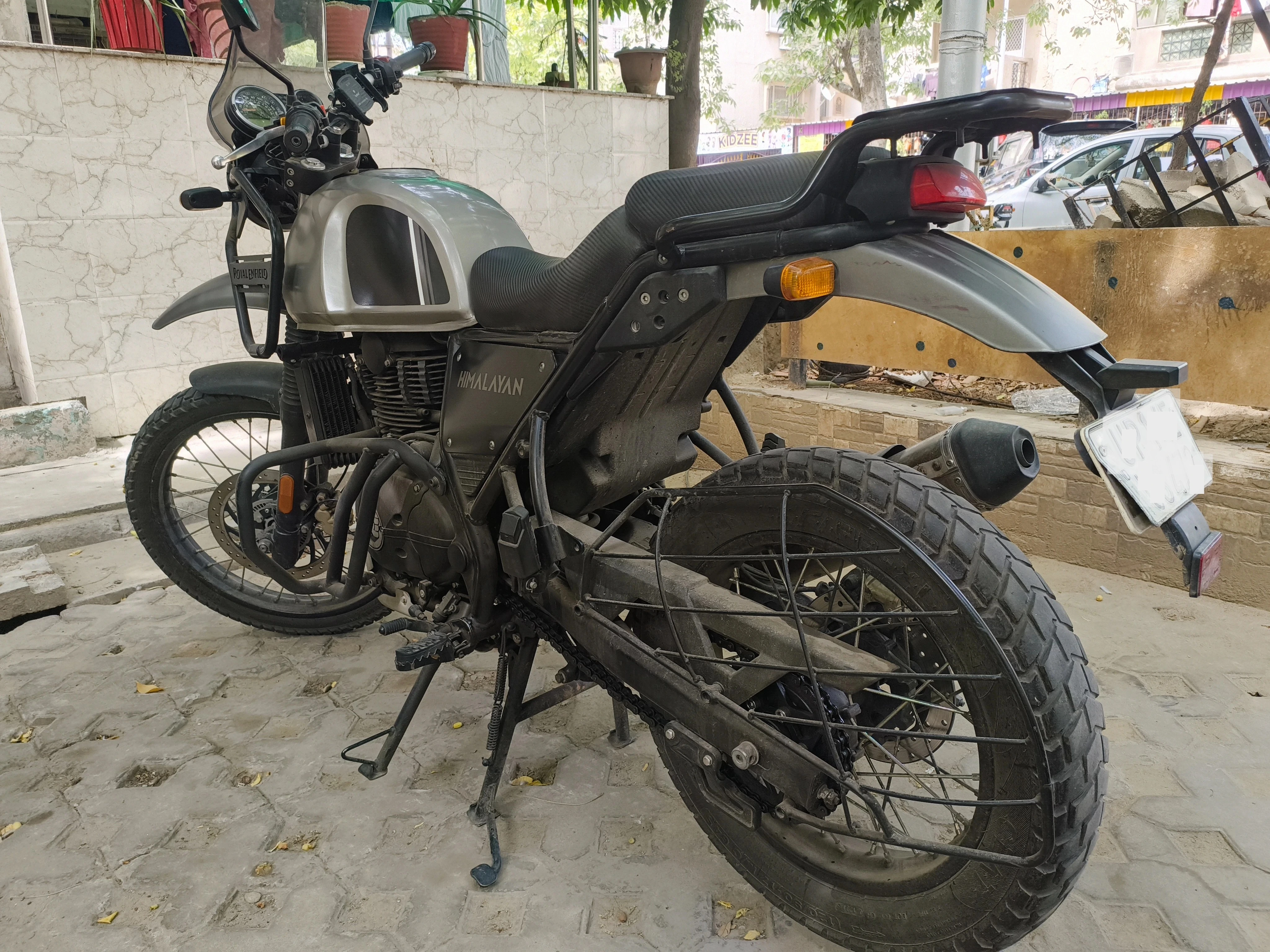
I find it rather funny actually, how my mind can hold on to the smallest unpleasant experience for years, yet somehow behave very differently when it comes to motorcycles. I’ve seen what can go wrong on two wheels, and I’ve had enough close calls of my own to know that riding isn’t always as romantic as I like to make it sound. But for some reason, those aren’t the memories that I remember clearly. What I remember are the nice little breaks we took at roadside tea stalls to refresh ourselves before getting back on the saddle. What I remember most is riding through a lush green forest, with just enough rain in the air to keep everything cool without making the ride uncomfortable. For the brain to deviate from its natural process so much can possibly be a topic of research. I can still remember the miserable moments from my rides, but those memories rarely bother me the way I would expect them to. Even when they come back, the discomfort and frustration seem so insignificant compared to everything else I experienced along the way. Everyday life, however, is a completely different story. I can spend hours thinking about a foolish decision I made years ago or an embarrassing conversation that everyone else has probably forgotten. Bad memories around motorcycles however rarely give me the same discomfort.
Every time I get on my motorcycle, I know perfectly well what could go wrong. I’ve seen my fair share of accidents and had enough close calls to understand that even a short ride to the grocery store can turn into something far more serious. But none of that occupies my mind when I start the engine. I’m usually thinking about the ride ahead and the feeling of being back on the road.
Whenever I return home and park my motorcycle in the garage, there is a sense of satisfaction that fills me up. It’s a sign that we’ve both made it back safely. Sometimes I do think about how differently the day could have ended, especially after a close call and those experiences do leave their mark on me. But I’ve simply become more cautious over the years. I’d even go so far as to admit that I’ve occasionally become a little too confident, simply because I’ve managed to get away with a mistake before. But the next time I walk into the garage, I still find myself looking forward to riding again. The possibility of something going wrong is still there, but it stays tucked away in some distant corner of my mind and it doesn’t get the opportunity to come forward before a ride.
I suppose in a way, riding isn’t all that different from life itself. We go through experiences that leave us shaken, make mistakes we wish we could undo and occasionally find ourselves in situations we never imagined being in. We share the happier moments with the world, while much of what it took to get there remains known only to us. And despite everything, we continue looking forward to what comes next. Perhaps that’s what I love most about motorcycling. It has given me enough reasons to be afraid, but it has also given me far more reasons to keep riding.
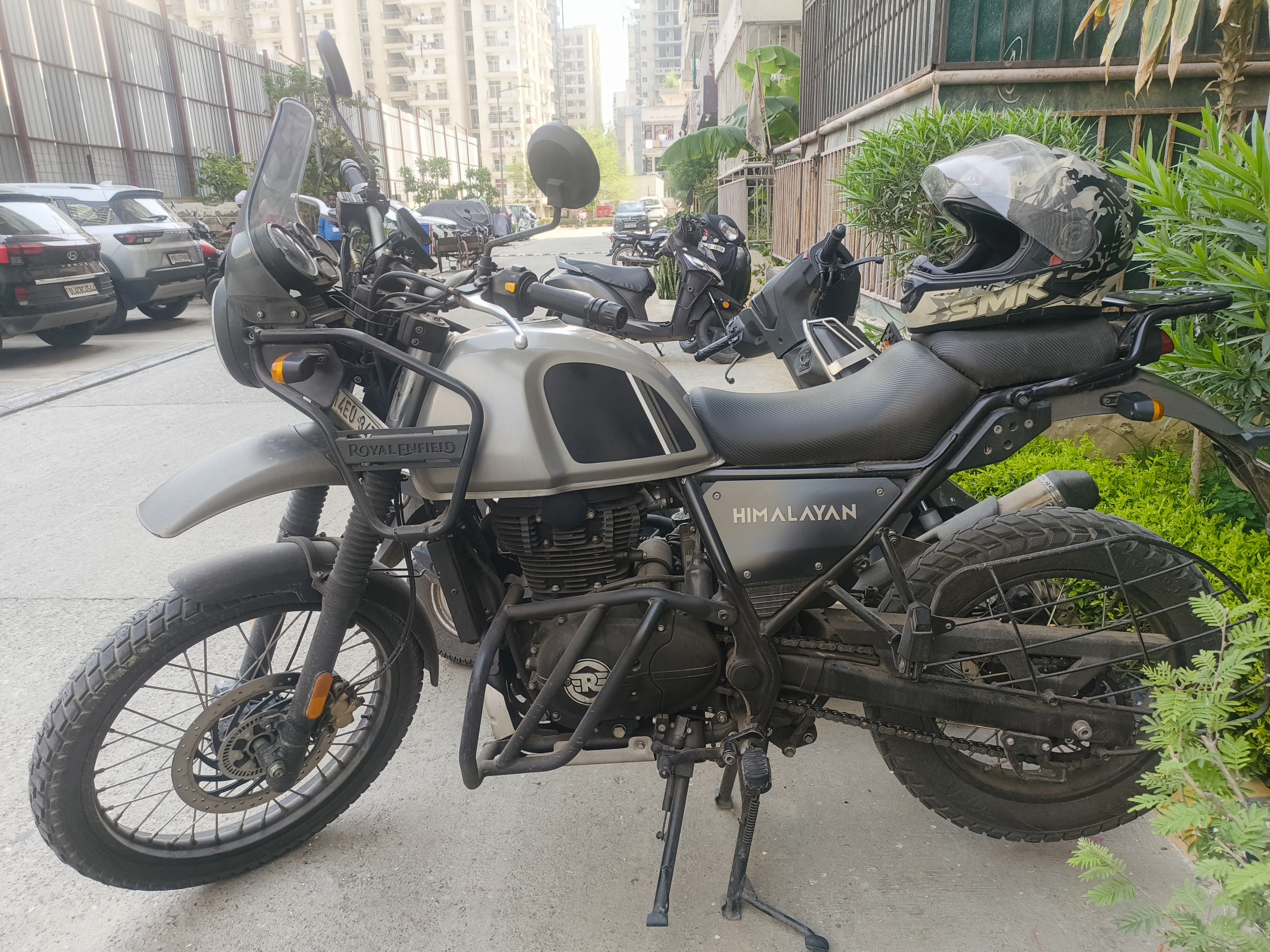
I sometimes wonder what life would look like if we allowed our survival instincts to make every important decision. We would probably avoid a great deal of pain. We wouldn’t risk rejection by telling someone how we feel. We wouldn’t risk failure by pursuing something uncertain. We wouldn’t travel to unfamiliar places, and we would eventually forget what it feels like to take a chance. It might be a safer existence in some respects. But I am not convinced that it would be a particularly fulfilling one. Having spent nearly two and a half decades on this planet, I have realised that much of what makes life worth living also makes us vulnerable in so many ways.
Motorcycles do not offer a life without uncertainty. In fact, they make uncertainty rather difficult to ignore. What they offers instead is an opportunity to appreciate the good things without dwelling too much on what could happen. Its an opportunity to be cautious without becoming cynical. I’ve had enough difficult moments on a motorcycle to know what can go wrong. But I’ve also had enough beautiful ones to know why I’ll always want to ride again.