Healing Slowly
A split second accident revealed the distance between seeing pain and living it.
Written & Photographed by : Mohammad M. Hasan
It felt surreal that the man whose actions had nearly cost me my life was now standing beside me, offering me a piece of candy on the very road where it had all happened. Life has a peculiar way of reminding us that people are rarely as simple as the moments that define them.
Pain is strangely an invisible sensation for most of us. Even for those, who have experienced it in its most debilitating form can only truly understand it when the pain is their own. We sympathize with the suffering of others, offer help where we can, and genuinely wish them well. Yet there remains an invisible distance between witnessing pain and living through it. No matter how deeply we care, we can only imagine what someone else is feeling but we can never fully inhabit their suffering. We experience only the sight of another person’s pain, never the pain itself. That burden is always carried alone.
It is perhaps a reflection of the society and of the times we live in. And perhaps that is why our response to another person’s suffering is so often imperfect. We instinctively judge what we can see and not what they are actually feeling. If someone is still standing, still speaking, or still conscious, we assume they are not as badly hurt as they claim to be. In a society where caution and distrust have gradually become second nature, that tendency is only amplified. Everyone waits for someone else to act, and in that hesitation, help is often the biggest casualty. We witness it every day, on television, across social media, and in the endless news cycles. Crowds gather around accidents and assaults, and moments of unimaginable tragedy with their phones raised to record what is unfolding. Yet, all too often, very few step forward to offer the help that truly matters.
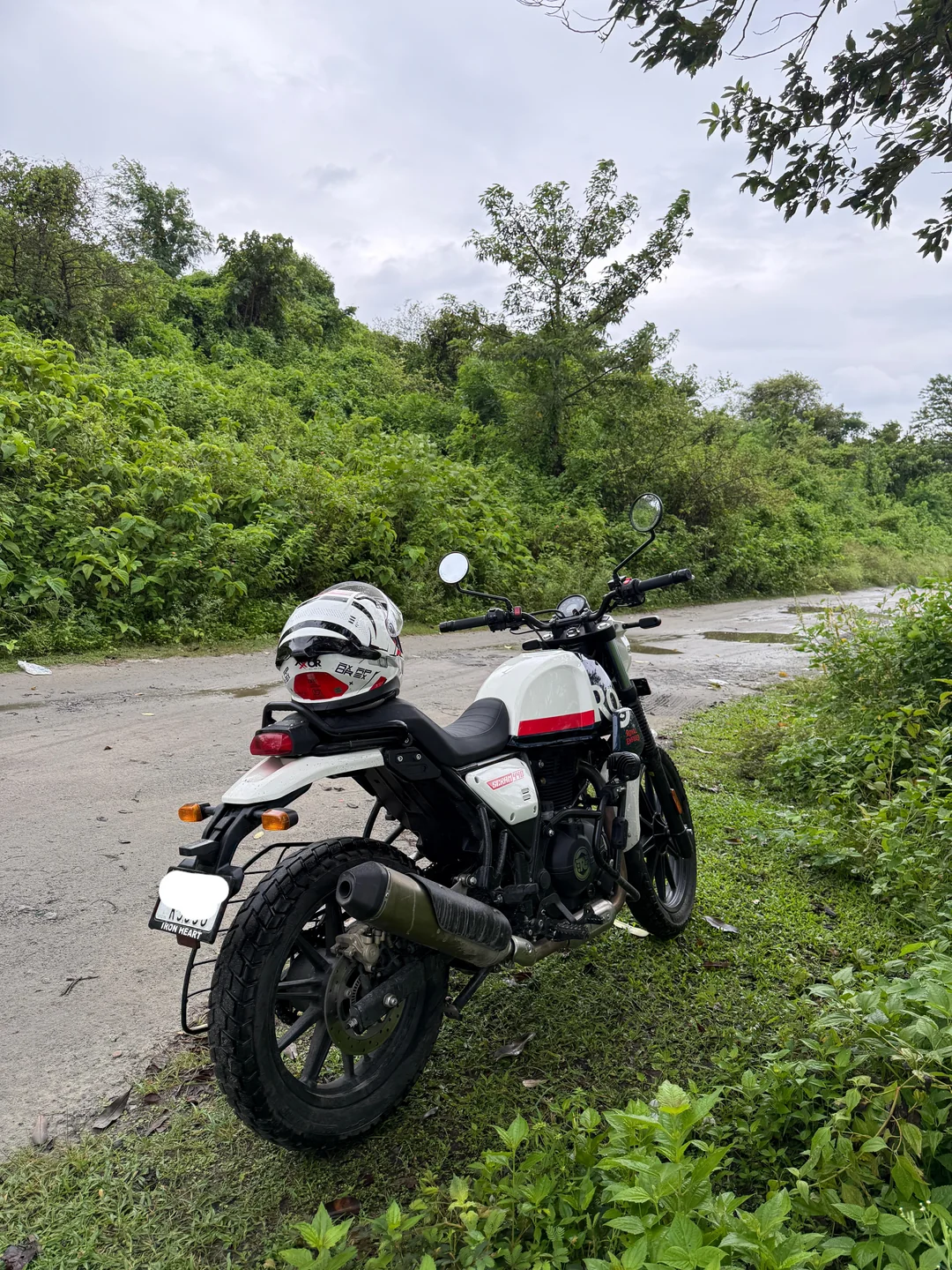
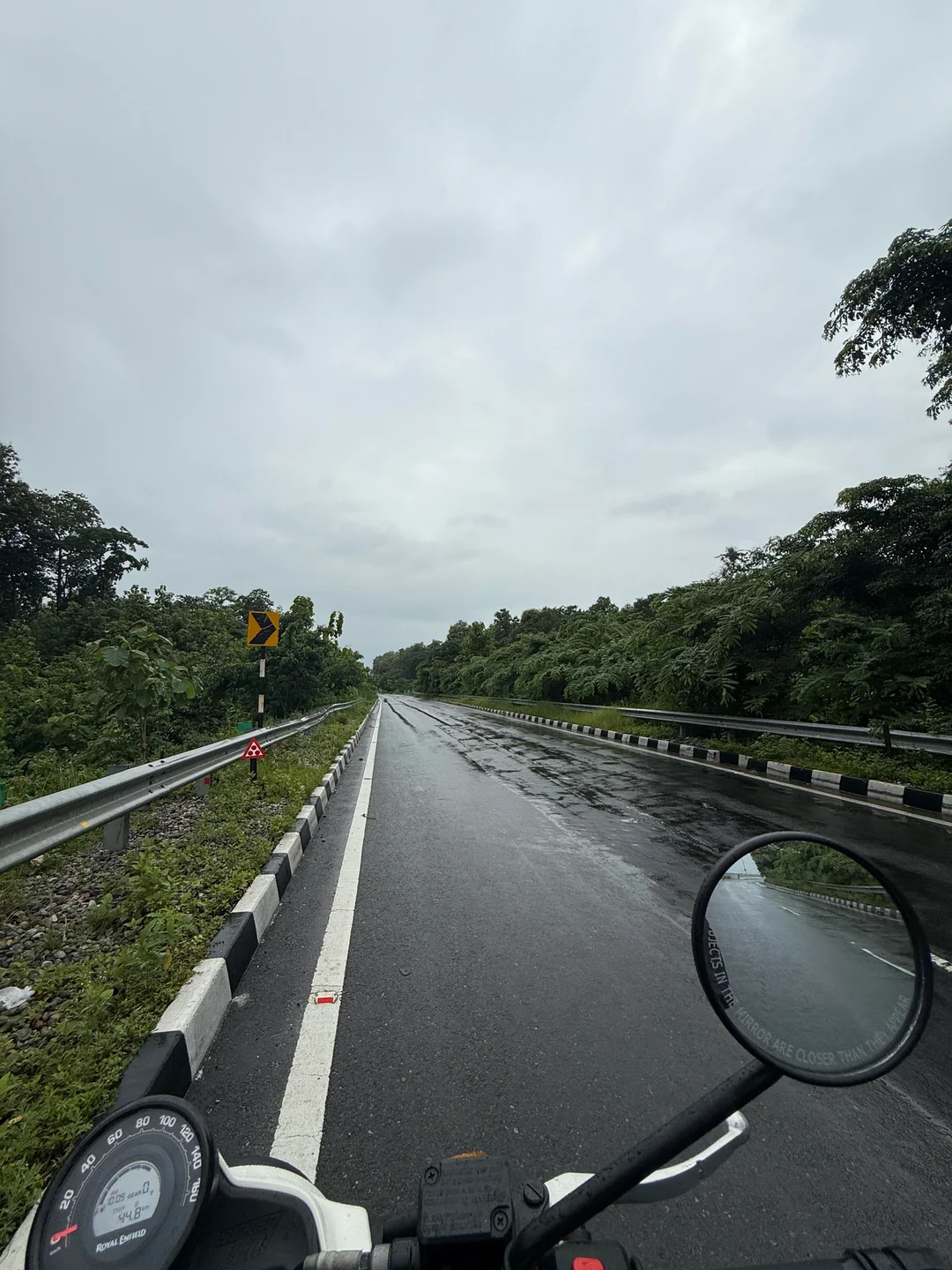
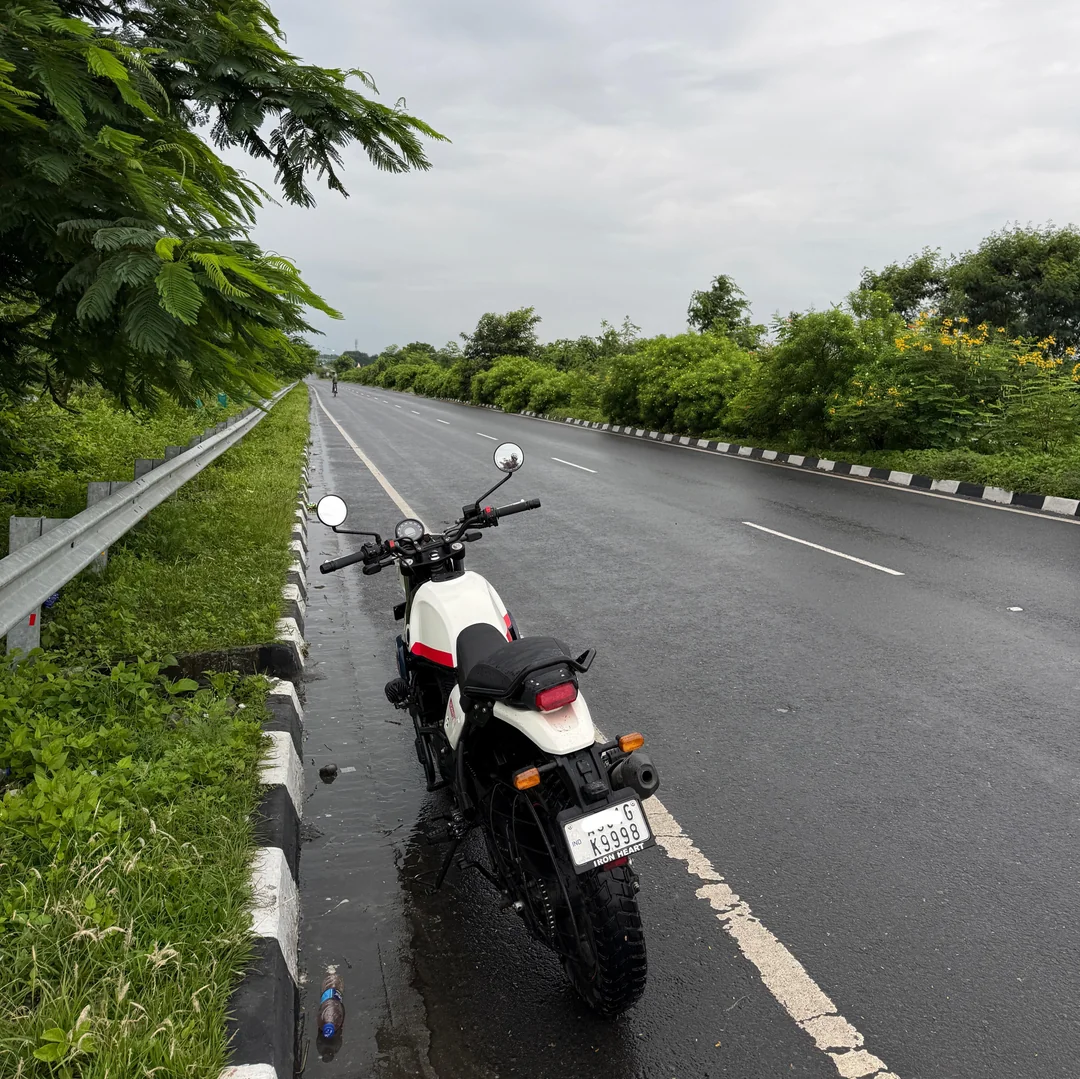
It is easy to notice these moments when they belong to someone else. But it is far harder to comprehend when they become your own. For me, this realization came on an otherwise ordinary morning aboard my Royal Enfield Scram 440.
As I was going about my day, a truck driven by an intoxicated driver, drifted into my lane without warning, leaving me nowhere to go and sending both me and my motorcycle into a nearby field. In the brief moment between seeing it happen and realizing there was nowhere left for me to go, the road disappeared beneath us and both me and my motorcycle found ourselves tumbling into a field beside the highway.
As I glided through the thick grass all I could think was that the grass had softened what could most definitely have been a fatal impact. To this day, I believe that that particular patch of grass is the reason I am still alive. For a few moments, I simply lay there, trying to make sense of what had just happened. Then instinct took over. I pulled myself to my feet, shouted for the truck driver to stop. The music that had accompanied the ride moments earlier had become meaningless and I ripped the earbuds from my ears and threw them into the bushes. My only thought was to make my way back towards the road, hoping someone would see me before my body gave in to the shock.
By the time I made my way back to the road, my motorcycle was barely visible beneath the tall grass. I could feel the pain intensifying, and deep down, I knew something was seriously wrong with my leg.
Within minutes, a crowd had gathered and phones had came out almost instinctively. People began recording the scene from every angle. Questions were flowing all around. How did this happen, what was my name, where I was from. Curiosity was abundant, urgency was most certainly not.
Amid the confusion, one woman reacted differently. While most people stood watching, she managed to stop the truck long enough to photograph it before it sped away. That single act of presence of mind preserved one of the few pieces of evidence from the incident. I crossed paths with her again sometime after I had recovered. We spoke briefly, and I learned a little about her life. Our worlds could not have been more different, yet in one of the most vulnerable moments of mine, she was among the few who chose to act rather than simply watch.
However, people were still busy asking me questions and making videos instead of calling an ambulance. My leg was visibly dislocated, yet most remained spectators, documenting the incident rather than stepping into it. In that moment, surrounded by people, I had never felt more alone.
Among the crowd, one gentleman chose compassion over inconvenience. A man driving a Tata Tigor EV, whose windshield had been shattered during the accident, pulled over beside me. Instead of worrying about the damage to his car, he reached for his water bottle and offered it to me without hesitation.
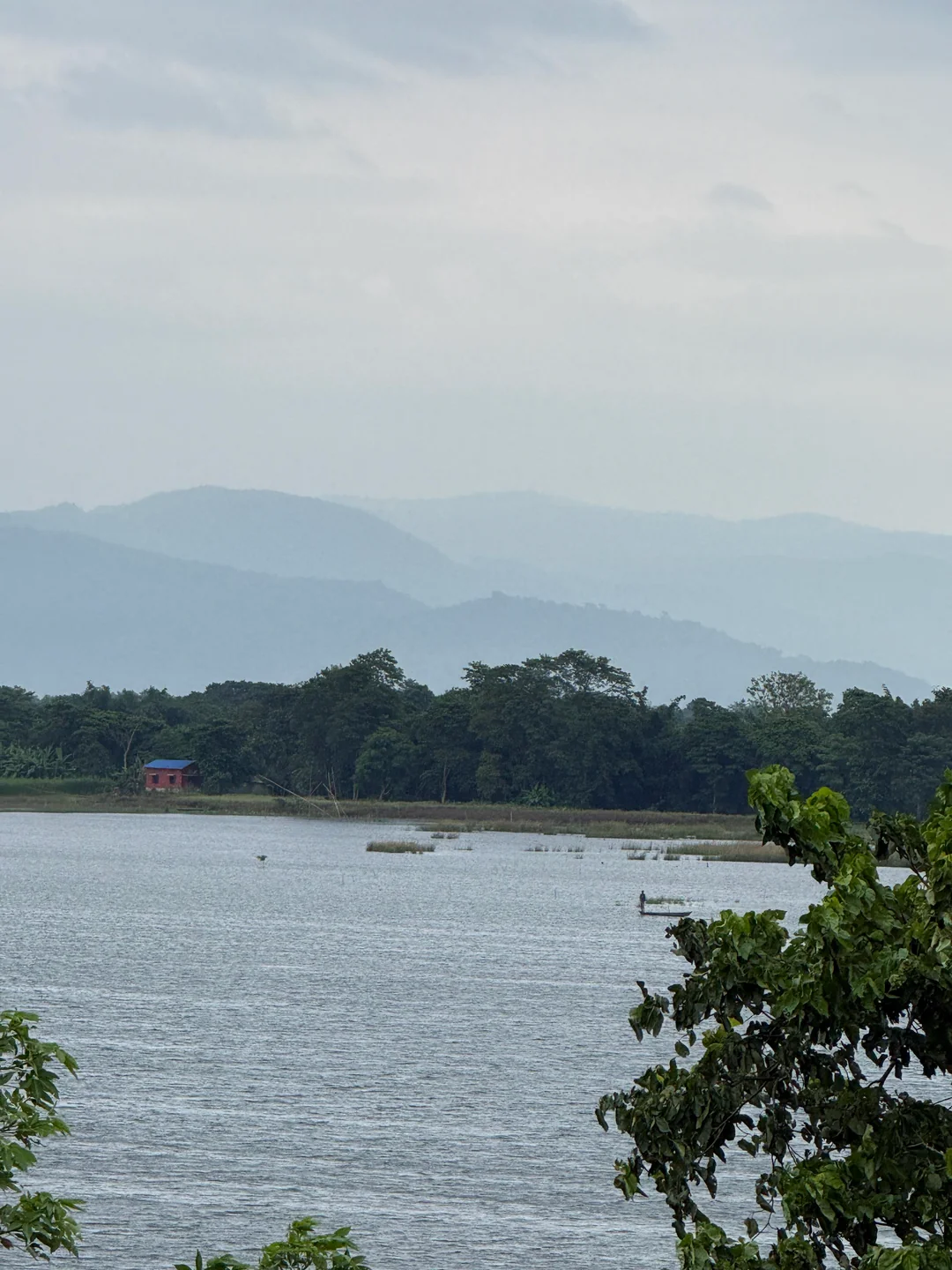
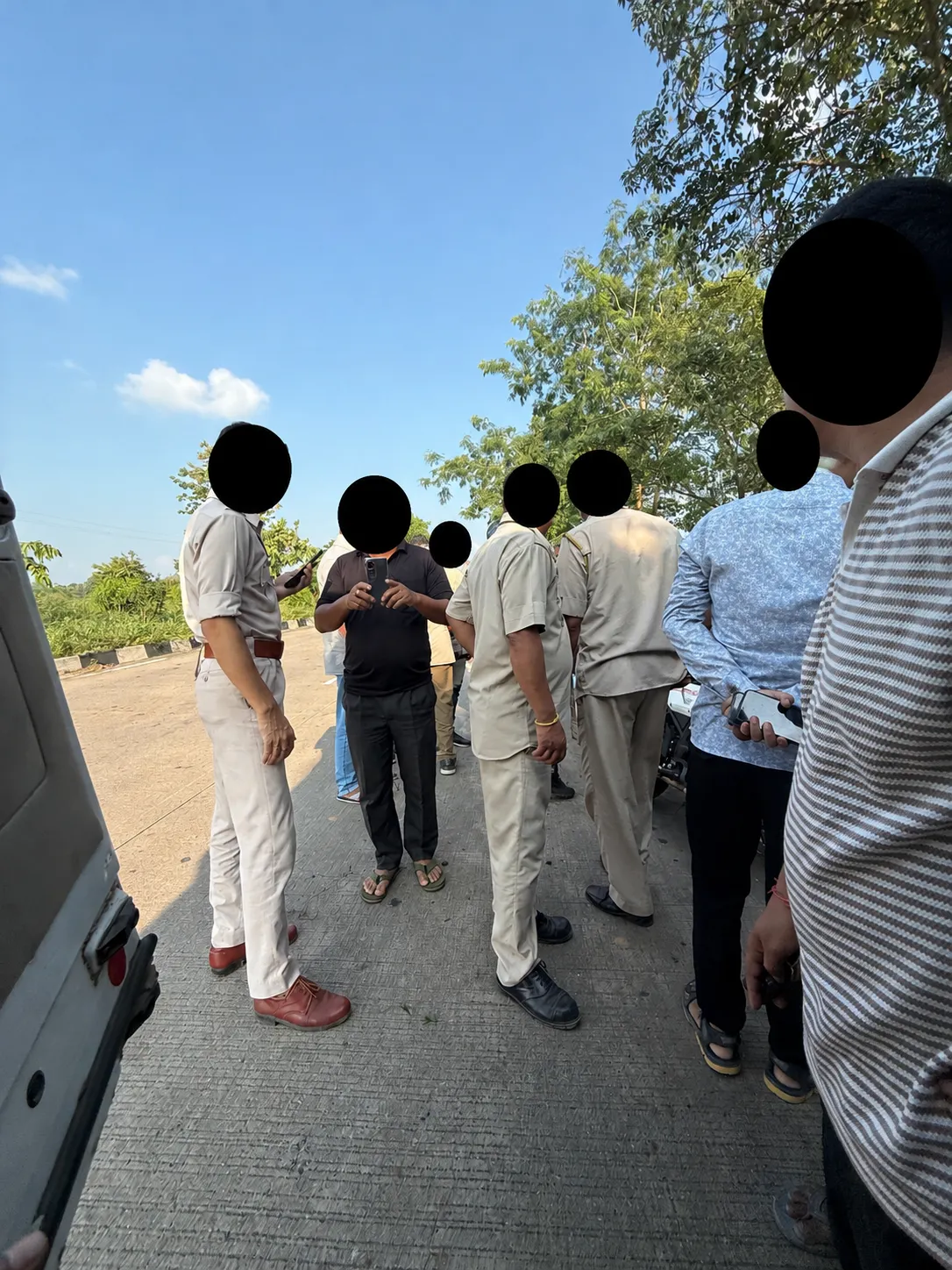
The water had turned warm from the summer heat, and I could barely manage a few sips. But in that moment, the kindness that he offered me was more reassuring.
With no one else stepping in, I called the police and requested an ambulance myself. The dispatcher began asking a series of questions. It felt like no one else could feel what I was going through. Every second felt painfully long. Every question was painfully atrocious. I needed an ambulance and here this dispatcher was just busy pestering me with question after question. I finally lost my patience and screamed at the phone. Almost immediately, I realized I had crossed a line. I apologized, and by then, I couldn’t hold back the tears. To her credit, she looked past my frustration, arranged for the ambulance, and informed my father, who would later meet me at the hospital.
Earlier that day, I had withdrawn nearly ₹50,000 in cash. As I lay there surrounded by strangers, another fear crept into my mind. “What if I lose consciousness before someone I know gets here?” Suddenly protecting the cash in my backpack felt just as urgent as waiting for the ambulance. Instinctively, I called a friend who was nearby. I needed someone I could trust, not just to help me get to the hospital, but also because I had withdrawn a significant amount of cash earlier that day. Surrounded by strangers and unsure if I would pass out, I found myself worrying about the strangest things.
The ambulance eventually arrived, and as the adrenaline slowly began to wear off, the pain became harder to ignore. I remember repeatedly asking the medical staff for water until they finally handed me a bottle. What surprised me, however, was how differently they perceived my condition.
Because I was filming parts of the experience on my phone, they assumed my injuries couldn’t possibly be that serious. If I was able to record videos, surely I couldn’t have broken my leg that badly. The accident was initially treated as a minor incident, and even registering a formal complaint seemed unnecessary in their eyes.
The surreal moments continued even after we reached the government hospital. Before I could even be admitted, one of the staff members asked me for ₹10. Ten rupees. I remember opening my backpack, where I had nearly ₹50,000 in cash from earlier that day. Bundles of notes spilled onto the counter as I searched for change. Eventually, I handed over ₹200 and said, “Please admit me. I don’t need the change.” At that point, the money no longer mattered. I simply wanted someone to start treating me. Only then did they bring me a wheelchair.
After I was discharged from the government hospital, my family looked at me and, understandably, believed I had escaped with relatively minor injuries. There was no dramatic bleeding, no obvious deformity, just a swollen leg that concealed the true extent of the damage. On the drive back, they even suggested stopping for something to eat. I remember saying, as calmly as I could, “No. Please take me to a private hospital. I know how bad my leg is.” It was a strange feeling. The swelling had hidden the injury from everyone else, but not from me. My body had already been telling me that since the moment I hit the ground.
The scans at the private hospital would later confirm what I had known all along.
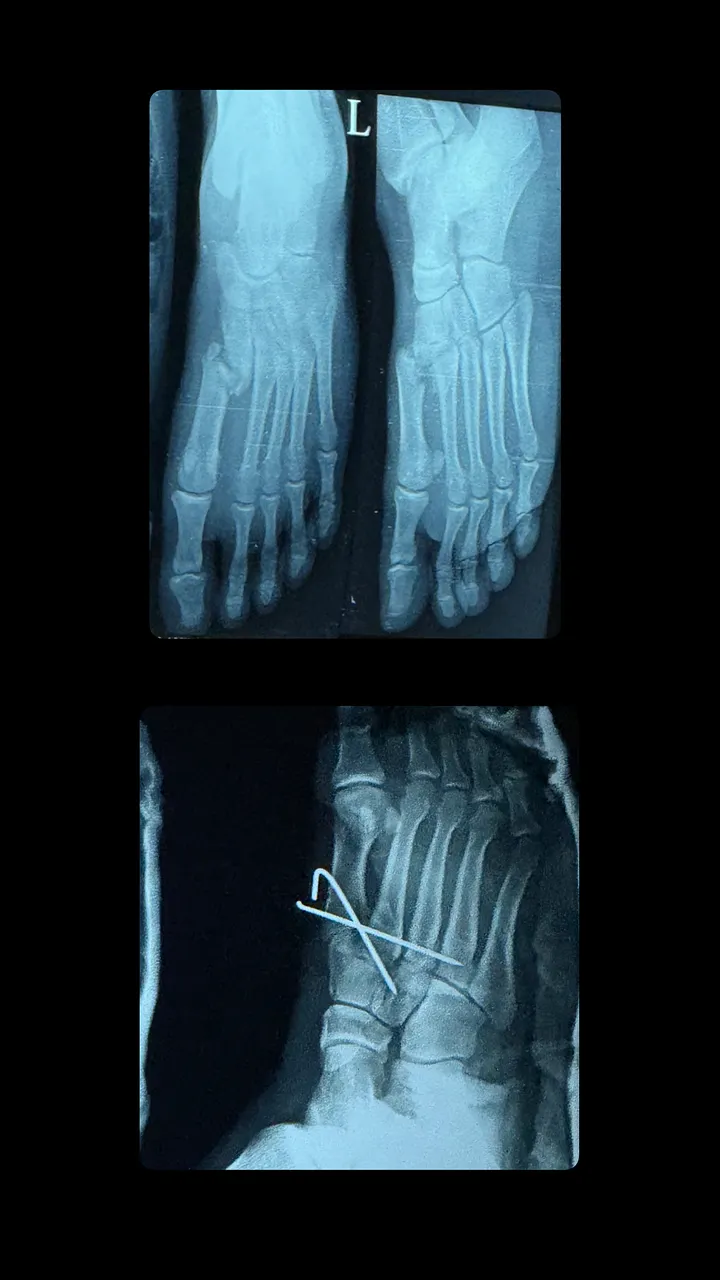
Recovery brought with it a ritual I never expected. Almost every week, I found myself returning to the very place where the accident had happened. Even today, I struggle to explain why. Perhaps I was searching for closure. Perhaps I was trying to make peace with what had happened. Or perhaps it was simply my way of paying silent respect to the patch of grass that had softened my fall and, quite possibly, saved my life.
A few months after I had recovered, I found myself riding along the same highway once again. That’s when I saw the truck. For a brief moment, time seemed to stand still. I pulled alongside and asked the driver to stop. We spoke. He called the owner, and what followed was perhaps the most unexpected conversation of my life. At one point, he offered me a cigarette. I told him I didn’t smoke. Without missing a beat, he smiled, reached into his pocket, and handed me a Hajmola instead. I still think about that moment.
It felt surreal that the man whose actions had nearly cost me my life was now standing beside me, offering me a piece of candy on the very road where it had all happened. Life has a peculiar way of reminding us that people are rarely as simple as the moments that define them.
The legal proceedings, however, were far less reassuring. I later learned that the driver had managed to influence the local authorities, and the police advised me to let the vehicle go and pursue the matter through the courts instead. Legally, that may have been the end of the incident but emotionally, it wasn’t. I had bought that motorcycle with my own hard earned money when I was just nineteen years old. The machine represented years of effort, independence, and countless memories that could have disappeared in a matter of seconds.
People often say time heals everything and perhaps they’re right. But some experiences don’t deserve to be forgotten. They simply become a part of who you are.